Born from pain, hope, and a deep belief that a different Liberia is possible.
The story begins with a young boy growing up in the aftermath of Liberia's fourteen-year civil war. A childhood marked not by comfort, but by uncertainty—where schools were disrupted, communities were broken, and dreams often felt too heavy to hold. Like many children of his generation, Donnish M. Pewee grew up surrounded by the silent wounds of conflict: families rebuilding from loss, young people struggling without opportunities, and a nation trying to find its footing again.
But even in that difficult reality, something small but powerful began to grow: a refusal to accept that this was all the future could be.
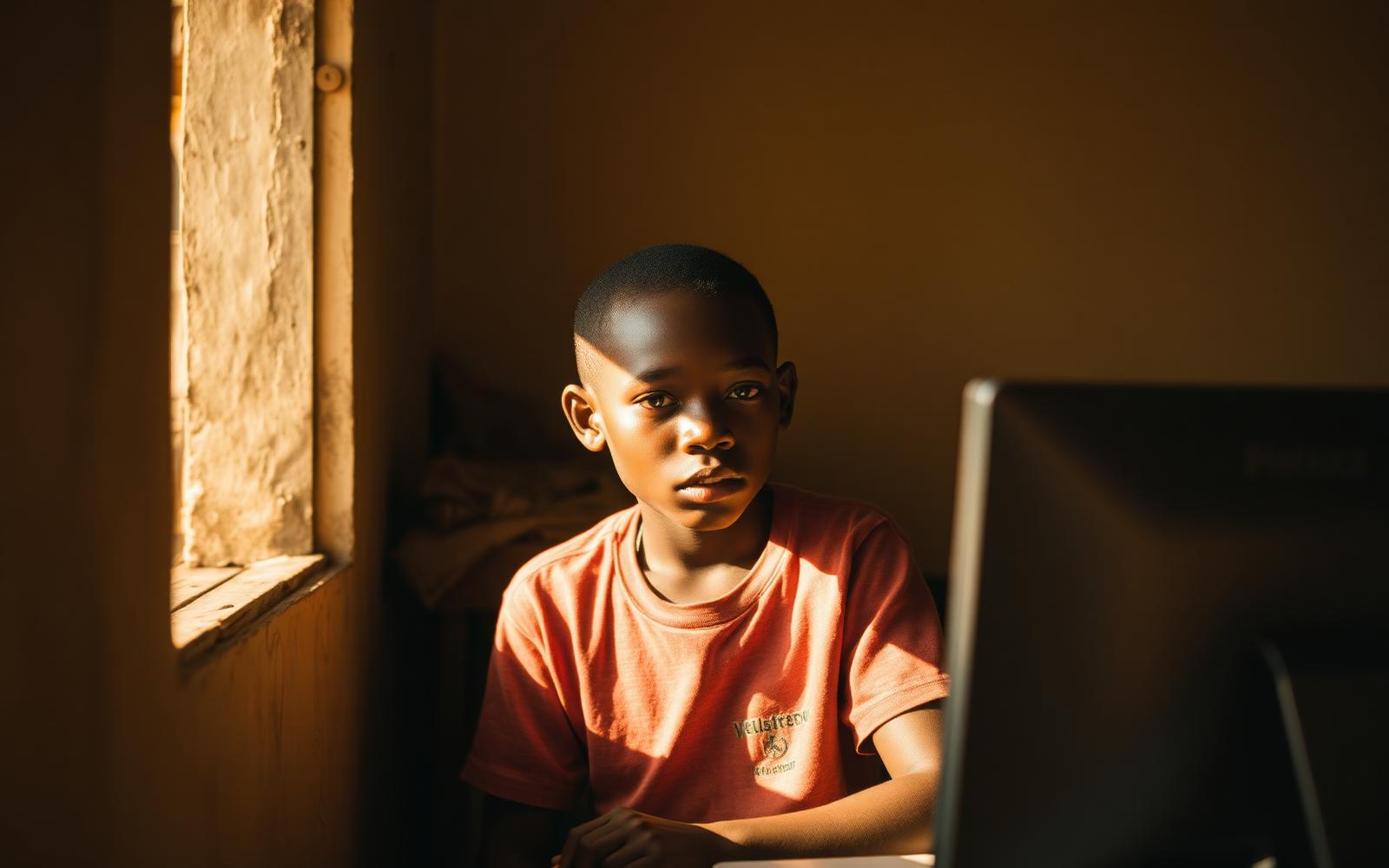
In 2008, at a small internet café at Deport Road Junction in Monrovia, a moment changed everything. A young boy sat confidently exploring a computer—curious, fearless, and alive with possibility. In that simple scene, Donnish saw something larger than technology. He saw access. He saw dignity. He saw a door opening where so many others had remained closed.
That moment planted a question that would not go away:
What if young people in Liberia were given the tools to shape their own future?
He pursued that question with determination—learning ICT skills, studying, volunteering, and working with organizations where he saw both the promise and the gaps in youth development efforts. He met many young people with talent but no access, passion but no platform, ideas but no opportunity.
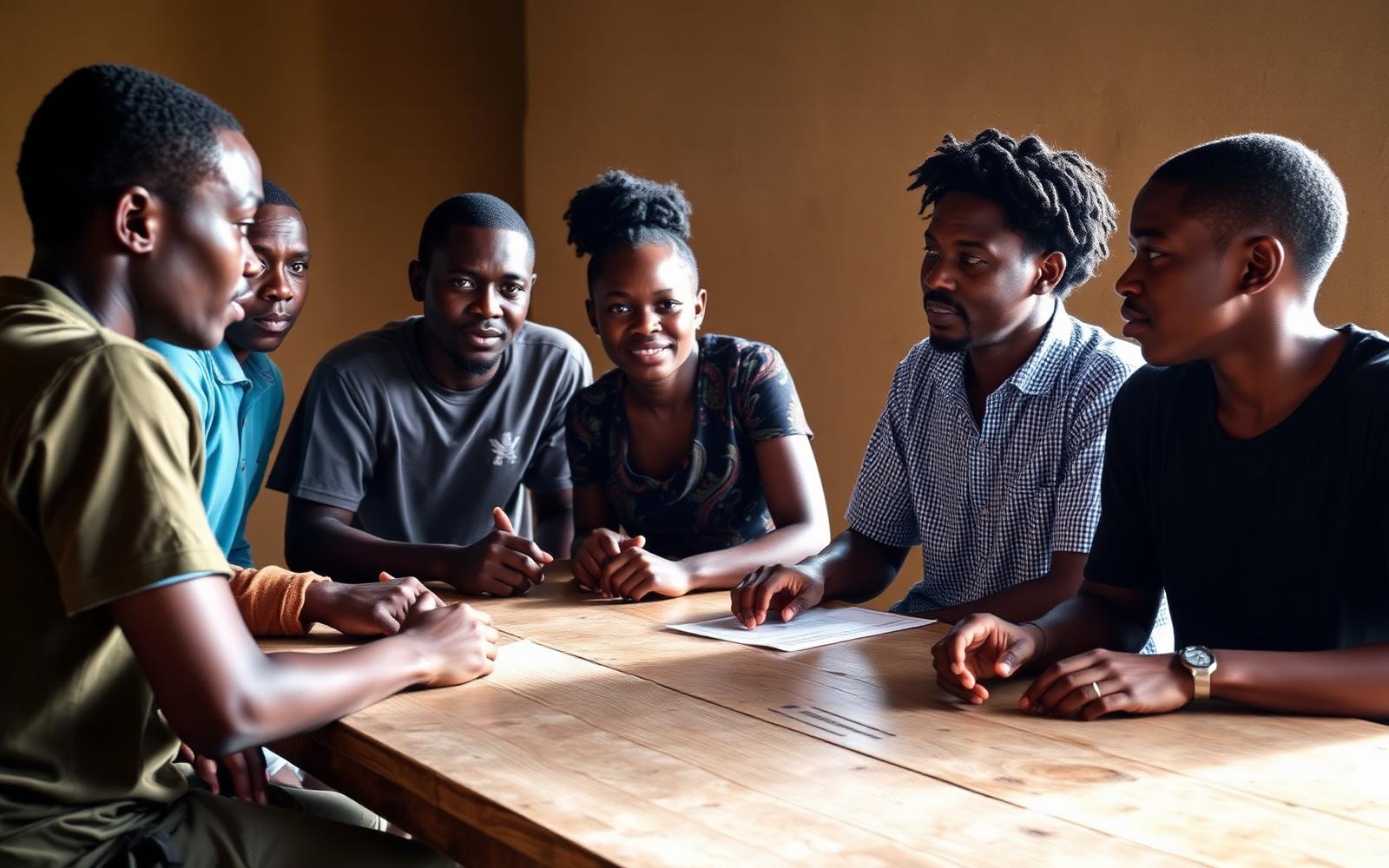
Out of that reality, YOTAN was born in 2012—then known as Youth in Technology and Arts Network. It began as a small initiative with a simple mission: help young people discover their abilities through technology and creativity, and give them a chance to believe again in what they could become.
But as the work deepened, so did the understanding. It became clear that youth empowerment could not stand alone without justice, accountability, and systems that actually work for people. A young person trained in skills still struggles in a society where institutions are weak, services are unequal, and voices are often ignored.
So YOTAN evolved.
From a youth-focused initiative, it grew into a movement for civic power, accountability, and democratic participation. The focus expanded from skills alone to systems—from individual empowerment to collective change.
By 2015, YOTAN had begun working directly with communities to strengthen citizen engagement, promote transparency, and support people to monitor how public services are delivered. Through partnerships with organizations such as the National Endowment for Democracy (NED), UNDP, USAID, IFES, and others, YOTAN began to scale its impact across counties, building platforms for citizens to speak, participate, and be heard.
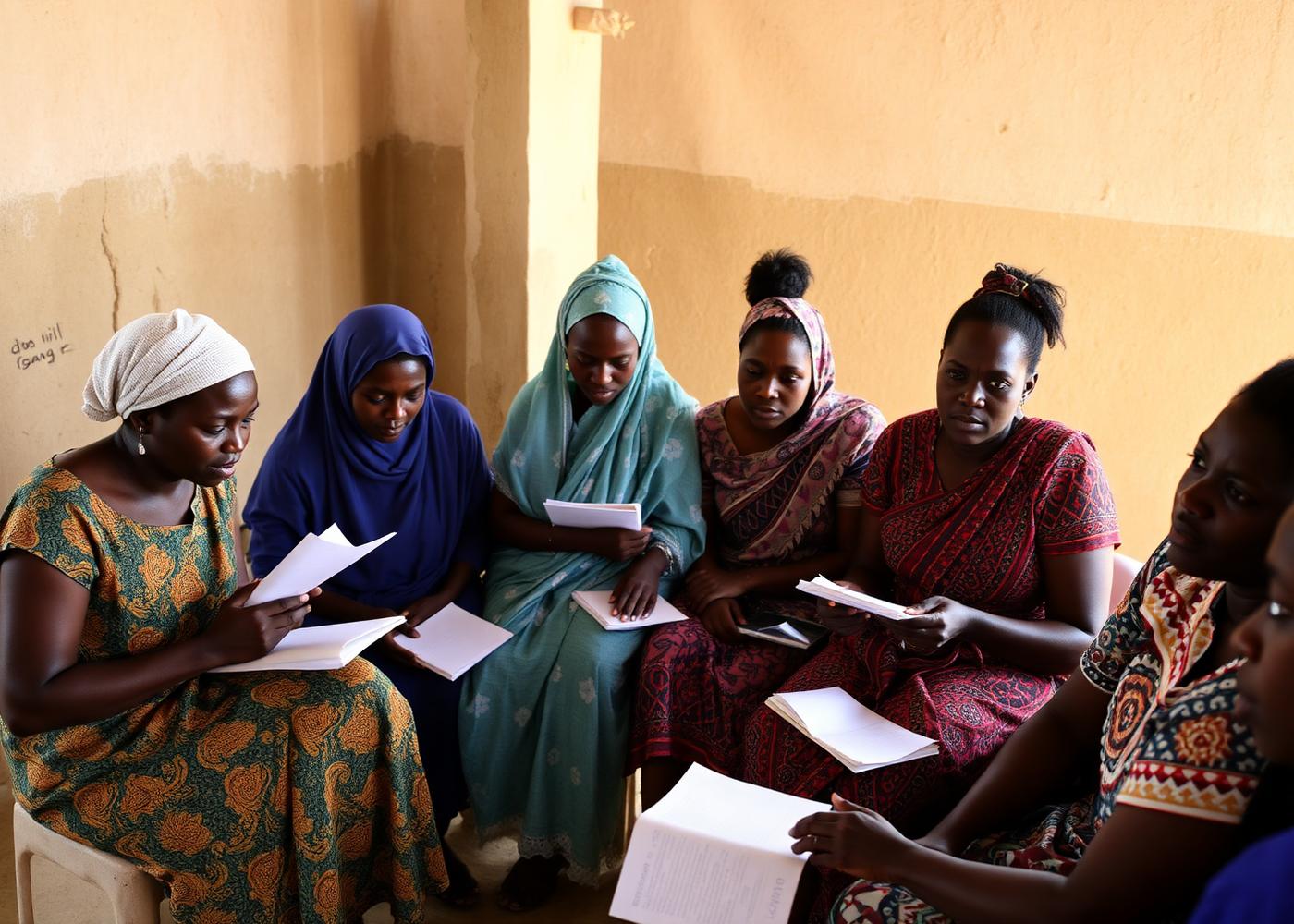
Today, YOTAN stands as a national organization working at the intersection of youth empowerment, civic innovation, governance, and social accountability.
But at its core, it is still about one belief:
That no child should grow up thinking their circumstances define their future.
That no young person should be excluded from shaping the society they live in.
And that those who have lived through hardship often carry the clearest vision for change.
This is not just the story of an organization. It is the story of a generation learning to turn survival into leadership, struggle into purpose, and silence into civic power. And it is still being written.